Why So Many Kids Are Getting Cavities (And How to Stop It)
If you've been noticing more children at the dentist with cavities, you're not alone. Tooth decay has become the most common chronic childhood disease in America — surpassing even asthma. Families across Danvers, Peabody, Salem, Beverly, and the greater North Shore region are asking the same questions: Why are so many kids getting cavities? And what can we do about it?
At Hallmark Dental, with offices in Danvers and Leominster, we work with children and families every day on exactly these concerns. The encouraging news is that tooth decay is almost entirely preventable. The key is understanding the real causes — and taking targeted action at home and at the dentist.
Sugar Is Hiding Everywhere
Most parents know to limit candy and soda — but sugar shows up in far more foods than most people realize. Juice boxes, flavored yogurts, granola bars, fruit snacks, sports drinks, and even "healthy" crackers all contain sugars that feed cavity-causing bacteria. Every time a child consumes something sugary, those bacteria produce acid that attacks tooth enamel for up to 20 minutes.
The real danger isn't just what children eat — it's how often they eat it. Frequent grazing throughout the day means teeth are constantly under acid attack, with no time to recover. A child who sips juice throughout the afternoon is doing far more damage than one who has a small sweet treat with lunch and then drinks water for the rest of the day.
Switching to water between meals is one of the most impactful changes a family can make. Fluoridated tap water is ideal — it's free, sugar-free, and actively strengthens tooth enamel. Milk at mealtimes is also beneficial. Juice, even 100% juice, should be limited and served only with meals rather than throughout the day.

Brushing Isn't as Simple as It Looks
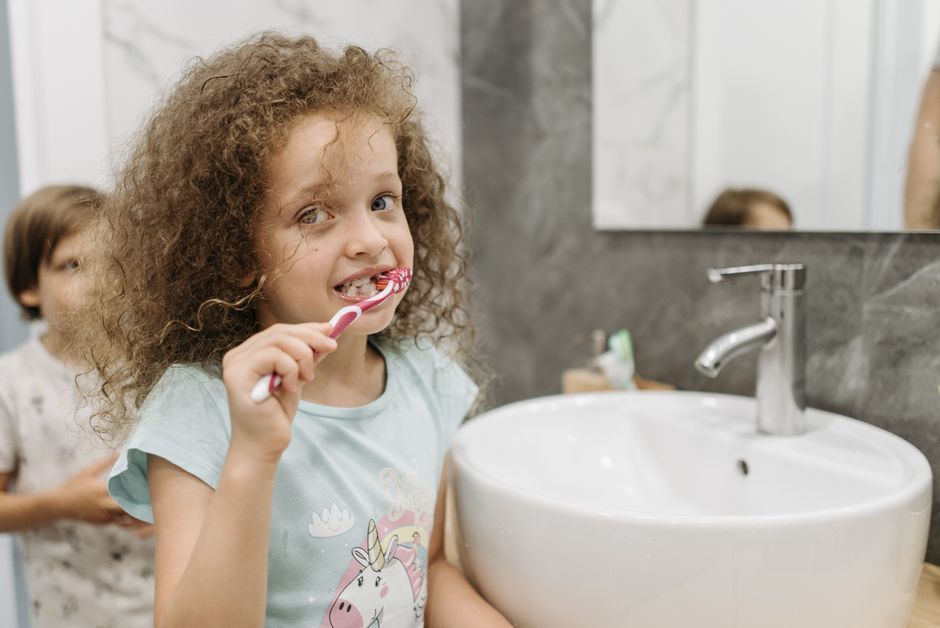
Most children want to brush their own teeth — and that independence is great to encourage. But children under 7 or 8 don't yet have the fine motor coordination to brush effectively on their own. They tend to rush, miss the back molars, and skip the gumline, which is exactly where plaque and bacteria accumulate fastest.
Dentists recommend that parents actively help brush their children's teeth until around age 7 or 8. This doesn't mean taking over entirely — letting kids have a turn first teaches them the habit. But a parent's follow-up brush ensures the job is actually done. Think of it the same way you'd handle tying shoes: you let them try, and then you help finish.
Fluoride toothpaste is an essential part of the equation. Use a grain-of-rice-sized smear for children under 3, and a pea-sized amount for ages 3 to 6. Fluoride strengthens enamel and can even reverse very early-stage decay before it becomes a full cavity. Make sure your child spits rather than swallows after brushing.
Baby Teeth Are More Important Than Most Parents Realize
One of the most persistent myths in pediatric dental health is that baby teeth don't matter because they'll eventually fall out. This belief leads many families to delay dental care or treat cavities in baby teeth as a low priority. In reality, baby teeth are critical for your child's health, development, and long-term dental outcomes.
Baby teeth hold the space in the jaw where permanent teeth will eventually emerge. When a baby tooth is lost prematurely due to decay, the surrounding teeth shift and crowd into that space. This crowding can cause permanent teeth to come in crooked or misaligned, often requiring orthodontic treatment that could have been avoided. Baby teeth also help children chew food properly, develop speech clearly, and smile confidently — all of which affect quality of life and even academic performance.
There's also a direct connection between baby teeth and permanent teeth underneath. Untreated decay can infect the root of a baby tooth and damage the developing permanent tooth below it. Getting cavities in baby teeth treated promptly — or preventing them in the first place — protects the adult smile that's still forming underneath.
Nighttime Bottles and Sippy Cups: A Common Culprit
For toddlers and babies, two habits are particularly destructive to teeth: prolonged use of a sippy cup filled with juice or milk, and falling asleep with a bottle. When a child sips milk or juice continuously from a sippy cup all day, their teeth are bathed in sugar for hours at a time. Falling asleep with a bottle is even more damaging — milk or juice pools around the front teeth all night, leading to a condition called "baby bottle tooth decay."
Baby bottle tooth decay can cause severe cavities in a toddler's front teeth very quickly. The treatment — often involving dental sedation for young children — is far more difficult and expensive than prevention would have been. The fix is simple: once children transition to a cup, use it for water between meals. Reserve milk for mealtimes, and avoid putting a child to bed with anything other than water in a bottle or cup.
Sealants and Fluoride: The Best Dental Investments for Kids
Two preventive treatments available at Hallmark Dental are among the most effective tools in pediatric dentistry: dental sealants and professional fluoride varnish. Sealants are thin plastic coatings applied to the deep grooves of back molars — the spots most likely to trap food and bacteria. Studies show sealants can reduce cavity risk in those teeth by up to 80 percent.
Professional fluoride treatments, typically applied at routine checkups, deliver a stronger dose of fluoride than toothpaste can provide. For cavity-prone children or those who don't have access to fluoridated tap water, these treatments can make a measurable difference in their dental health between visits. Both treatments are quick, painless, and cost far less than treating cavities after they develop.
Start Dental Visits Early — Earlier Than You Might Think
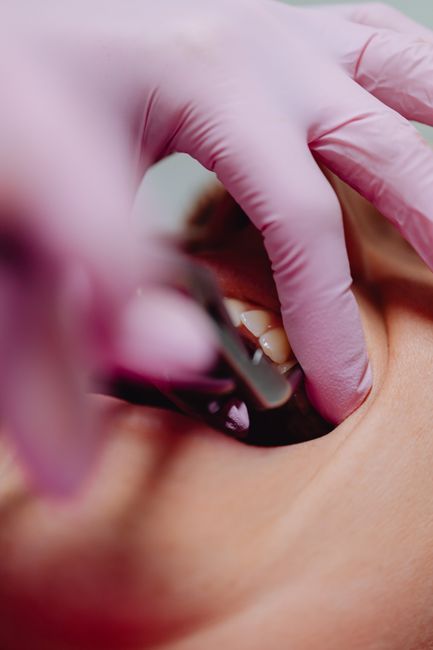
The American Academy of Pediatric Dentistry recommends a child's first dental visit by age 1, or within six months of the first tooth erupting. Starting early helps children become comfortable at the dentist before any treatment is needed, and gives our team the chance to catch problems early and coach parents on home care. Children who start early consistently show better long-term dental health than those whose first visit comes later.
Regular six-month checkups are the foundation of good pediatric dental care. These visits aren't just about cleaning — they're an opportunity to monitor development, apply sealants and fluoride at the right time, and keep small issues from becoming big ones.
Hallmark Dental
Cavities in children are common, but they don't have to be inevitable. With the right habits at home and consistent professional support, most kids can grow up with healthy, strong smiles. Whether your family is in Danvers, Peabody, Salem, Beverly, Middleton, Leominster, Fitchburg, or anywhere in between, we're here to help.
Ready to schedule your child's next visit? Contact Hallmark Dental today. Danvers office: (978) 762-7411 at 301 Newbury St, Danvers, MA 01923. Leominster office: (978) 534-4981 at 23 Water St, Leominster, MA 01453.