What to Do When a Crown Falls Off
It happens more often than you might think. You're chewing something — maybe a crusty piece of bread, a hard candy, or even something perfectly ordinary — and you feel something shift in your mouth. You reach in and pull out your dental crown. The tooth underneath feels strange, exposed, and sensitive. What now?
At Hallmark Dental, with offices in Danvers and Leominster, we handle crown emergencies regularly. Patients call us from all across the North Shore and Central Massachusetts — from Peabody and Salem to Fitchburg and Lancaster — and the situation almost always has a straightforward solution. The key is knowing what to do in the hours before your appointment. This guide walks you through exactly that.
First: Don't Panic — but Do Act the Same Day
A dislodged crown is not a dental catastrophe, but it does require prompt attention. The tooth underneath a crown has been prepared — shaped and reduced — to fit the crown. Without that crown in place, the tooth is structurally compromised and exposed to pressure, temperature changes, and potential damage. The general rule is to contact your dentist within 24 hours, ideally the same day the crown comes off.
Your first task is to find the crown. It may still be in your mouth, or it may have come off while eating and be on your plate or mixed with food. Rinse it gently under warm water — don't scrub it or use cleaning products. Examine it carefully: if it appears intact and undamaged, there's a good chance your dentist can simply recement it rather than fabricate a new one, which saves time and money. Place it in a small zip-lock bag or container and bring it to your appointment.
Call Hallmark Dental as soon as you can. We do our best to see crown emergencies the same day or next day — we know how uncomfortable and anxious an exposed tooth can feel, and we don't want you sitting with it longer than necessary. If you reach our voicemail after hours, leave a message with your name and the best number to reach you, and we'll get back to you first thing.
What to Do While You Wait
Temporary dental cement — available over the counter at CVS, Walgreens, and most pharmacies under brand names like Dentemp, Recapit, or TempBond — can be a lifesaver between your crown coming off and your appointment. It allows you to temporarily reseat the crown over the tooth, reducing sensitivity and providing some protection for the vulnerable tooth structure underneath.
To use it correctly: make sure the tooth and the inside of the crown are both dry before applying the cement. Place a small amount inside the crown, position it over the tooth, and bite down gently and evenly to seat it properly. Remove any excess cement from around the edges. Then avoid eating on that side of your mouth and stick to soft foods like yogurt, scrambled eggs, soup, and mashed potatoes until you're seen. The temporary cement is not strong enough to handle your normal bite, especially on tougher foods.
If the exposed tooth is sensitive to air, cold liquids, or touch, over-the-counter pain relievers like ibuprofen (Advil) or acetaminophen (Tylenol) are appropriate for managing discomfort. A small amount of clove oil dabbed onto the exposed tooth with a cotton swab can also provide temporary numbing relief — it's an old-fashioned remedy that genuinely works. What you should not do: use super glue, epoxy, or any non-dental adhesive. These products can damage the tooth and the crown permanently and create a much harder problem for your dentist to fix.
Why Crowns Come Loose
Understanding why a crown fell off can help you prevent it from happening again — or from happening to your other crowns. The most common cause is cement failure over time. Dental cement doesn't last indefinitely; it slowly degrades with exposure to the acids and forces of chewing and grinding. Crowns that have been in place for ten or more years are more likely to loosen at the cement line simply because the bond has aged.
Decay beneath the crown is another very common culprit. If bacteria have infiltrated the margin where the crown meets the tooth and caused decay in the tooth structure underneath, the cement bond is undermined from within. This is one reason we take X-rays at regular checkups even for crowned teeth — decay under a crown rarely causes pain until it's quite advanced, but it shows up on imaging early. Catching it before the crown loosens or the tooth is seriously damaged is exactly the kind of thing routine exams are designed to do.
Other contributing factors include bruxism (night grinding), which places enormous repetitive stress on crowns; a bite that has shifted and is placing asymmetric force on the crown; and habits like chewing ice, opening packages with your teeth, or biting fingernails. If grinding is a factor, a custom night guard is one of the most worthwhile investments you can make for protecting your existing dental work.
What Happens at Your Appointment
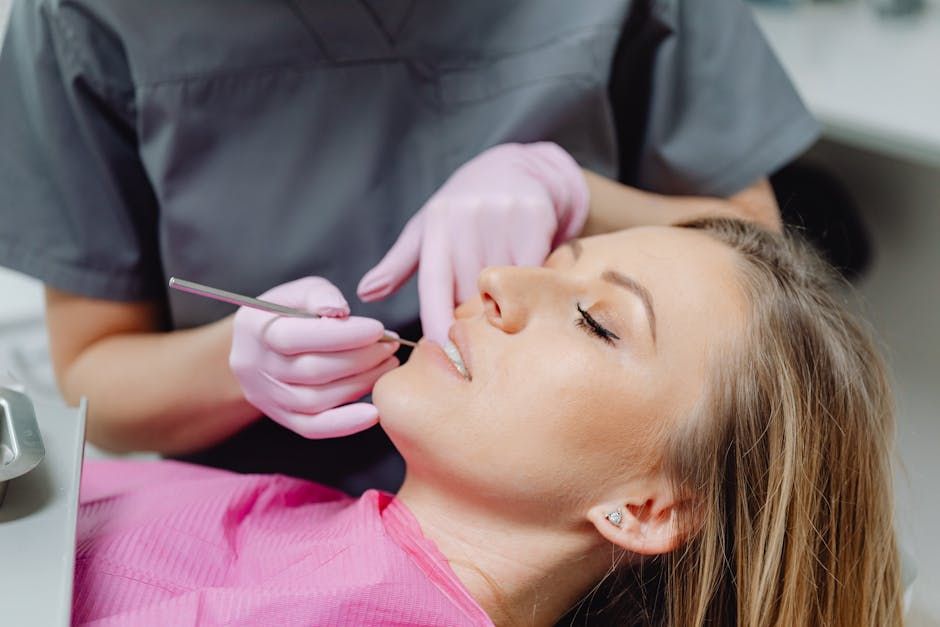
When you come in with a dislodged crown, we start by examining the crown itself and the tooth it came off. We want to know whether the crown is structurally intact — if it is, recementing is usually a quick, straightforward procedure. If it's cracked, chipped, or otherwise compromised, it will need to be replaced, which involves taking a new impression and sending it to a dental lab. In that case, we'll place a temporary crown to protect the tooth in the interim.
We also examine the tooth underneath carefully. We look for signs of new decay, assess whether the remaining tooth structure is adequate to support a crown, and take an X-ray if needed to evaluate what's happening below the surface. If everything looks healthy, we clean both the tooth and the inside of the crown, apply fresh permanent cement, seat the crown, check your bite carefully, and you're done — often in a single appointment. We'll give you specific instructions about what to eat and avoid for the first 24 hours after recementation.
Hallmark Dental
A crown coming off is startling, but it's one of the most manageable dental situations there is. The most important thing is acting quickly — protecting the tooth in the meantime and getting in to see us as soon as possible. Whether you're in Danvers, Peabody, Salem, Beverly, Leominster, Fitchburg, or anywhere in between, we're here to help you get your crown back in place and your mouth feeling normal again.
Crown came off? Call us right away. Contact Hallmark Dental for a prompt appointment. Danvers: (978) 762-7411 at 301 Newbury St. Leominster: (978) 534-4981 at 23 Water St.