Your Most-Asked Dental Questions — Answered
Every day, patients walk into our Danvers and Leominster offices with the same burning questions about their teeth, gums, and oral health. Whether you're worried about a strange sensation, confused about treatment options, or just want to know if something is "normal," you're not alone. These are the exact questions we hear most often — and the honest, straightforward answers you deserve.
Understanding your dental health shouldn't feel like solving a puzzle. When you know what to expect, how to care for your teeth properly, and when to seek help, you can make confident decisions about your oral health. Let's dive into the most common concerns our patients share, from everyday maintenance to more complex treatment questions.
How Often Should I Really Visit the Dentist?
The twice-a-year rule isn't just something dentists made up to keep busy. Most people benefit from cleanings and checkups every six months because plaque and tartar build up continuously, even with excellent home care. During these visits, we catch small problems before they become expensive, painful emergencies. Think of it like getting your car's oil changed — regular maintenance prevents major breakdowns.
However, some patients need more frequent visits. If you have gum disease, diabetes, or a history of frequent cavities, we might recommend cleanings every three to four months. Pregnant women, smokers, and people with certain medications also benefit from more frequent monitoring. Your mouth is unique, and your care schedule should be too.
The key is consistency. Skipping appointments for a year or two means small issues become big ones. A simple filling might turn into a root canal, or early gum inflammation could progress to serious periodontal disease. Regular visits at Hallmark Dental help us keep your mouth healthy and catch problems when they're still easy to treat.
Why Do My Gums Bleed When I Brush?
Bleeding gums are your mouth's way of waving a red flag. In most cases, it means you have gingivitis — the early stage of gum disease caused by plaque buildup along the gum line. When bacteria irritate your gums, they become inflamed, tender, and bleed easily during brushing or flossing. The good news? Gingivitis is completely reversible with proper care.
The solution isn't to brush more gently or avoid the bleeding areas. That's like ignoring a warning light on your car dashboard. Instead, you need to remove the plaque causing the problem through thorough daily cleaning and professional treatment. Most patients see improvement within a week or two of consistent, proper brushing and flossing.
However, bleeding gums can signal more serious issues if left untreated. Advanced gum disease can lead to tooth loss, bone damage, and has been linked to heart disease and diabetes complications. If your gums bleed regularly, don't wait — schedule an appointment so we can determine the cause and create a treatment plan tailored to your needs.
Do I Really Need to Floss Every Day?
Your toothbrush, no matter how advanced, can only clean about 60% of your tooth surfaces. The remaining 40% — the spaces between your teeth — are where flossing shines. These tight areas are prime real estate for bacteria, and without daily flossing, plaque hardens into tartar that only professional cleaning can remove.
We understand flossing feels tedious, especially when you're tired or rushed. Many patients tell us they floss "sometimes" or only before dental appointments. But daily flossing prevents cavities between teeth, reduces gum inflammation, and helps prevent bad breath. Once you develop a routine, it takes just two to three minutes and becomes as automatic as brushing.
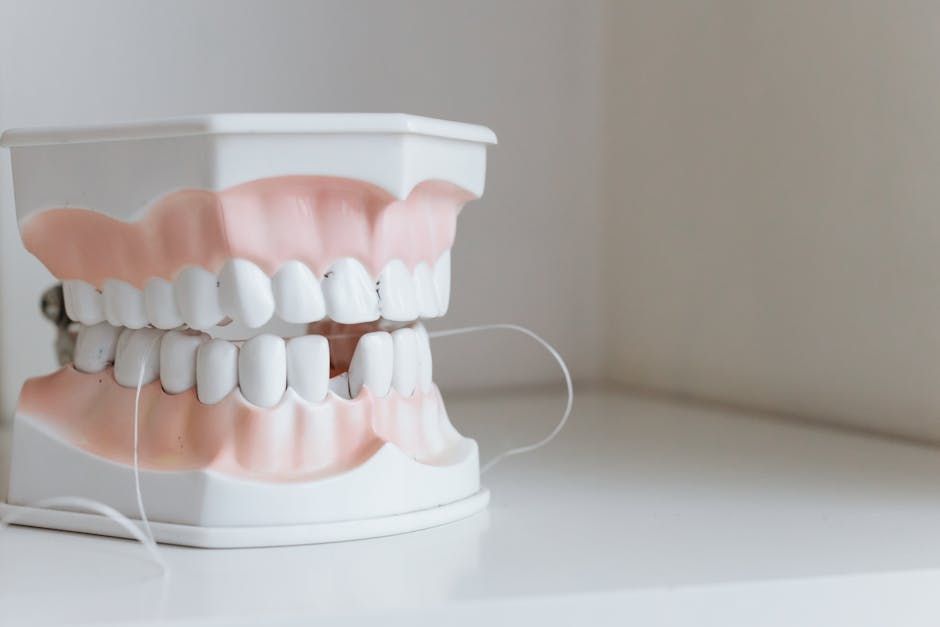
If traditional floss feels awkward, try different options. Floss picks work well for back teeth, water flossers are excellent for people with braces or bridges, and interdental brushes help those with larger spaces between teeth. The best flossing tool is the one you'll actually use every day. Have questions about proper technique? Our team is happy to demonstrate during your next visit.
When Should I Worry About Tooth Pain?
Not all tooth pain requires emergency treatment, but knowing the difference can save you from unnecessary suffering or prevent a minor issue from becoming a major problem. Sharp, brief sensitivity to cold drinks or sweets often indicates a small cavity or worn enamel — uncomfortable but not urgent. However, persistent throbbing pain, especially pain that wakes you up at night, usually means the nerve inside your tooth is infected or dying.
Pain that lasts more than a few seconds after eating or drinking something hot or cold suggests the problem is deeper than surface sensitivity. Swelling around a tooth, fever, or a bad taste in your mouth alongside tooth pain are signs of infection that need immediate attention. These symptoms won't improve on their own and often worsen quickly without treatment.
Even mild discomfort shouldn't be ignored indefinitely. Many patients try to "tough it out" with pain relievers, hoping the problem will resolve itself. While over-the-counter medication can help manage symptoms temporarily, it doesn't address the underlying cause. Early intervention often means simpler, less expensive treatment options.
Are Dental X-Rays Safe?
This concern comes up frequently, especially among parents and pregnant patients. Modern digital X-rays expose you to extremely low levels of radiation — about the same amount you'd receive during a short airplane flight or from natural background radiation in two to three days. The lead apron we use provides additional protection, and we only take X-rays when necessary for diagnosis or treatment planning.
X-rays reveal problems invisible to the naked eye: cavities between teeth, infections at tooth roots, bone loss from gum disease, and developing wisdom teeth. Without this information, we might miss serious issues until they cause pain or become much more difficult to treat. The small radiation exposure from dental X-rays is far outweighed by the benefits of early detection and treatment.
We follow strict guidelines about X-ray frequency based on your age, risk factors, and dental history. Most adults need bitewing X-rays every year or two, while full mouth X-rays are typically taken every three to five years. Children and high-risk patients may need more frequent imaging, while low-risk adults might need X-rays less often.
Hallmark Dental
These frequently asked questions represent just the beginning of maintaining excellent oral health. Every mouth is different, and what works for one person might not be the best approach for another. That's why personalized care and open communication with your dental team are so important.
Ready to get answers to your specific dental questions? Contact Hallmark Dental today to schedule your appointment. Call our Danvers office at (978) 762-7411 or our Leominster office at (978) 534-4981, or visit us at 301 Newbury St in Danvers or 23 Water St in Leominster.